On the face of it, Christmas seems to come to an end on Boxing Day. The shops take their decorations down, and sometimes Easter eggs even appear.
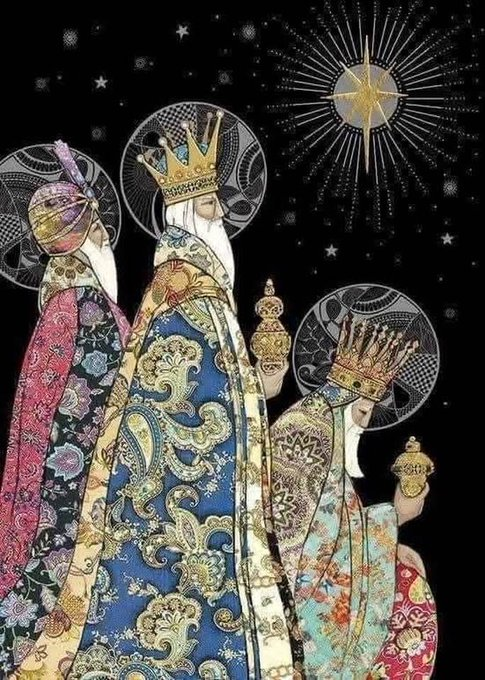
Traditionally, though, Christmas lasts 12 days, beginning on Christmas Day (25 December) and ending on 5 January. On the following day, 6 January, the Church keeps the Feast of the Epiphany, remembering the visit of the wise men – the Magi – who travelled from afar to see the child Jesus. Epiphany marks the moment when Jesus is recognised as being for the whole world, not just for one people or place.
In the Church of England, Epiphany isn’t a sharply defined season in the way Advent or Lent are. But the celebration is extended. Over the weeks that follow, the Church reflects on different moments when people begin to understand who Jesus is: the visit of the Magi, Jesus’ baptism, and the wedding at Cana, where water is turned into wine.
So while the Christmas season itself has ended, its meaning continues to unfold.
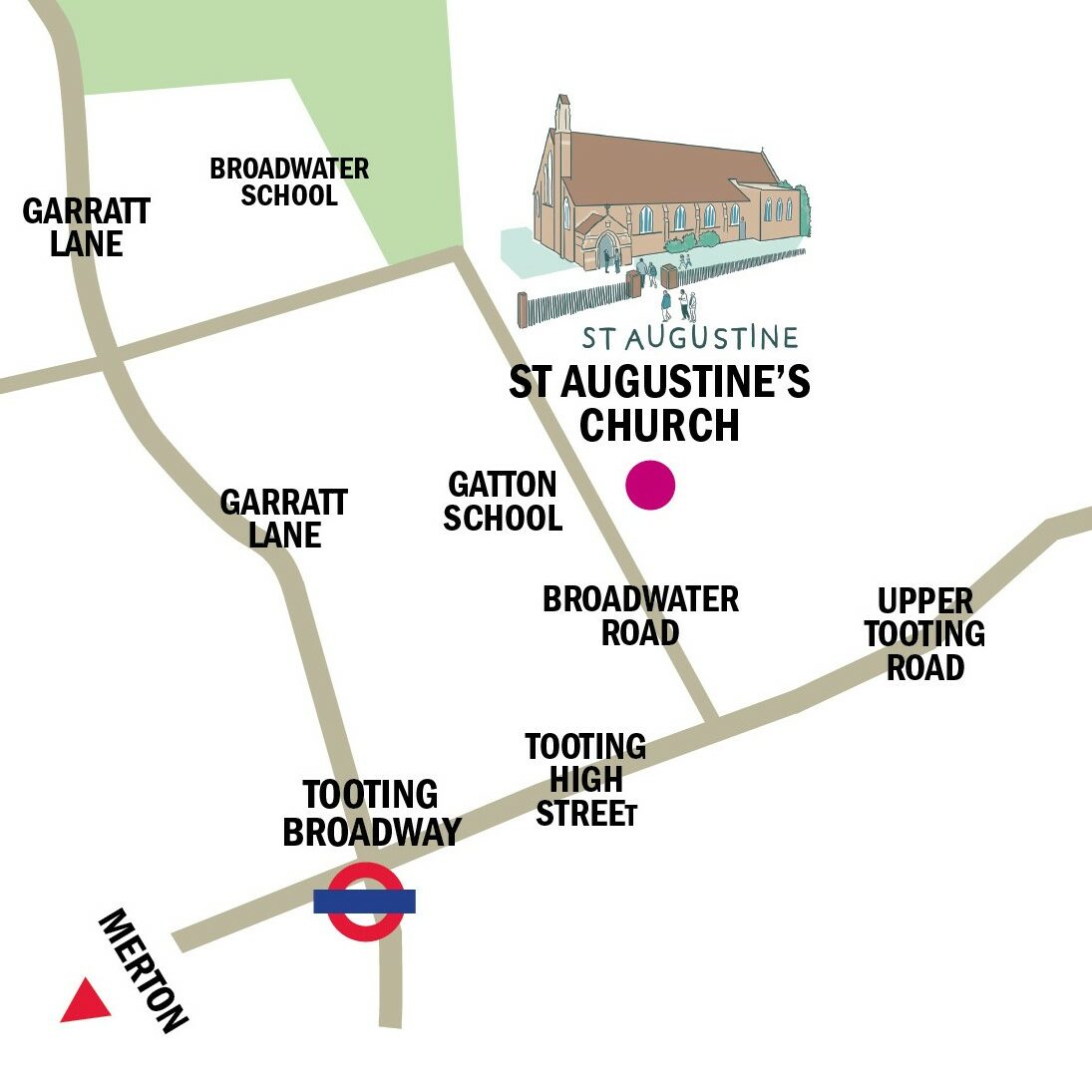
That’s why St Augustine’s still looks festive. We usually keep our Christmas decorations up until Candlemas, on 2 February, forty days after Christmas Day. At Candlemas, we remember Jesus being brought to the Temple as a child and recognised as God’s light for the world, and we bless candles to be used in the church during the year ahead. It brings this extended celebration to a natural close.
After forty days, Christmas really does end. But the Church takes its time, letting the story breathe before everything is finally packed away.