The Feast of Christ the King marks the end of the Church year, our final Sunday celebration before Advent begins.
The feast was established in 1925, when Europe was still recovering from the devastation of the First World War. Although fighting had ended, peace remained fragile. Nationalism (the belief that loyalty to one’s nation should take precedence over other loyalties) and political extremism rose across many European countries.
Against this background, the Church proclaimed a challenging conviction: Jesus Christ is King, and his authority stands above every earthly power.
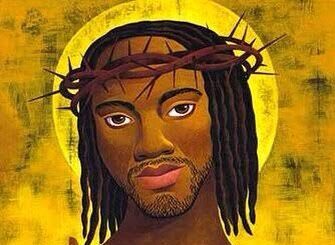
But what sort of King is Jesus? He was born in poverty, welcomed those whom others rejected and taught his followers to love their enemies. He never took the life of another person, but gave his life upon a cross. His kingdom is not founded upon wealth or domination, but on mercy, truth and love.
Christians believe that this means no earthly ruler possesses ultimate authority, and no exercise of power is exempt from the demands of justice and love.
The Church of England’s Book of Common Prayer expresses this beautifully in a prayer for the monarch, asking that the King, “knowing whose minister he is”, may seek God’s honour above all else. Even the King is a servant of someone greater than himself. The same principle applies to anyone entrusted with political power: authority is a responsibility to be exercised in the service of others.
For Christians, recognising Christ as King means confessing that Jesus is God, worthy of our worship and our allegiance. It means acknowledging that we’re accountable to him, and are called to seek reconciliation, defend the vulnerable and work for the good of our neighbours.
As Advent approaches, we prepare to welcome the Prince of Peace, whose kingdom offers a different vision of how the world might be: one in which the meek and the peacemakers are blessed.
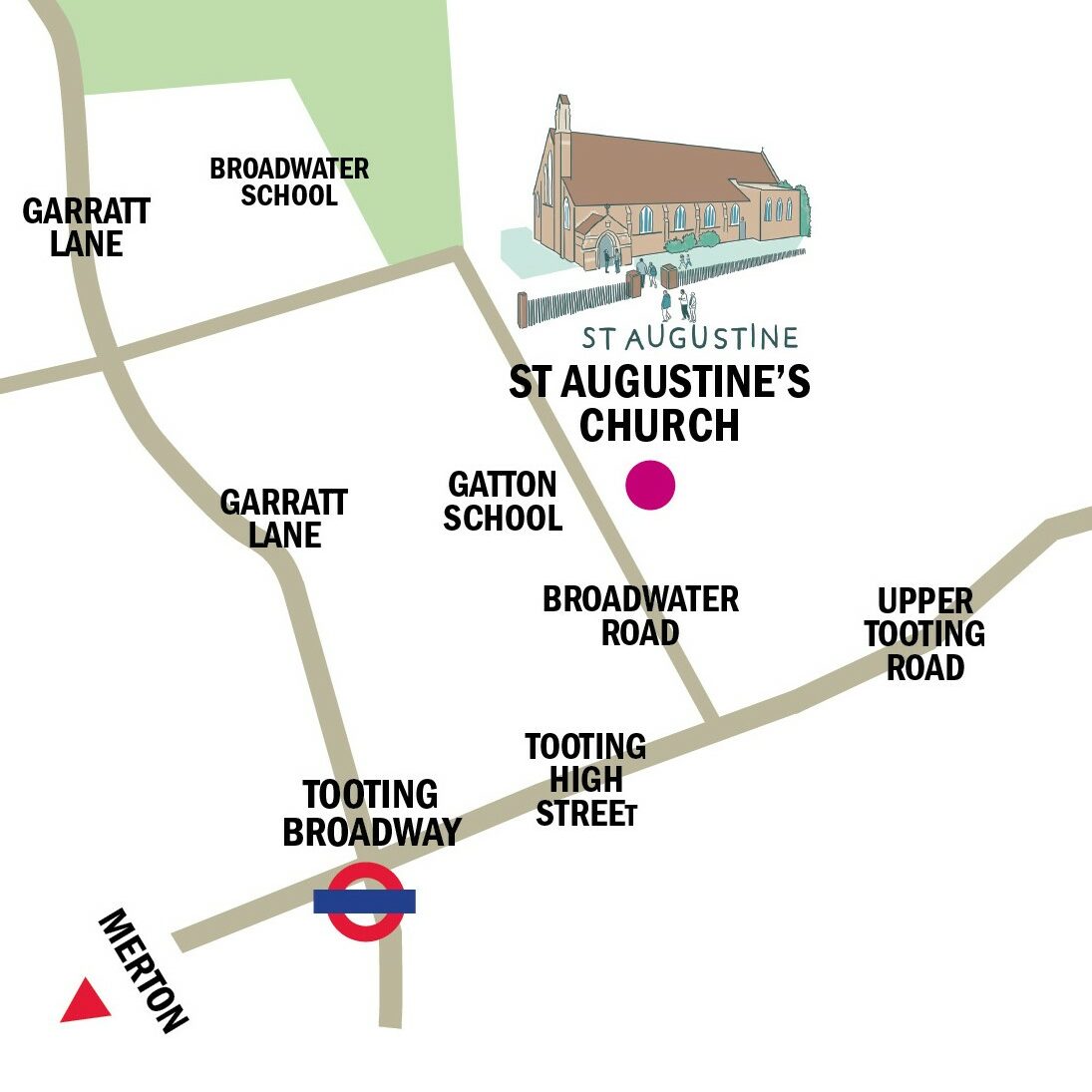
Join us at St Augustine’s on Sunday 22 November at 11am as we celebrate the Feast of Christ the King. Everyone is welcome.